


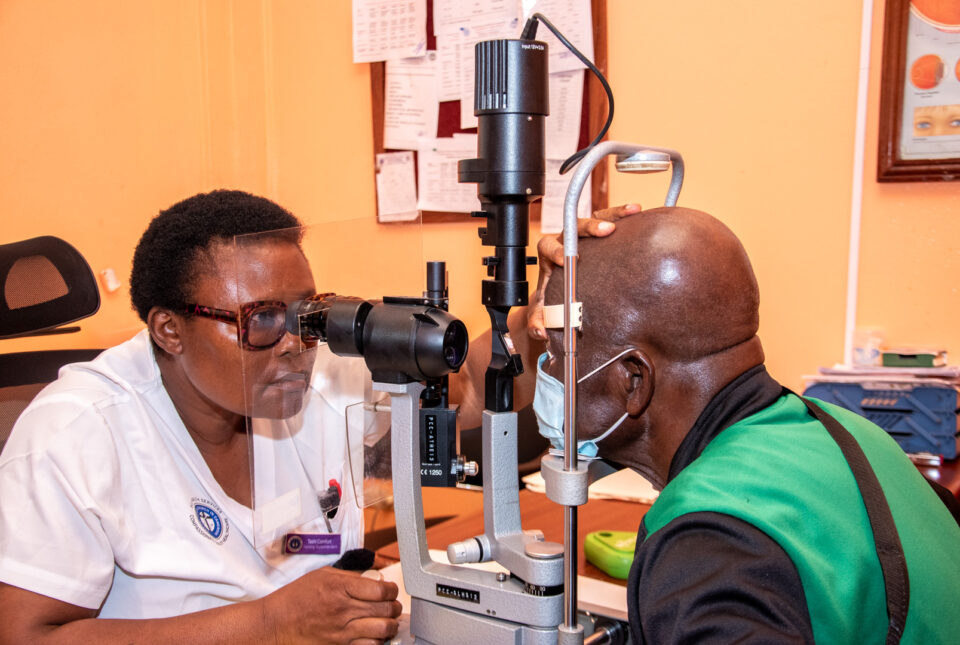
Optometry & Low Vision
Routine eye care is essential, but optometrists also play a crucial role in diagnosing and managing a wide range of eye conditions. At Acha Eye Hospital, our optometry services focus on delivering accurate assessments and tailored solutions—especially for individuals living with low vision. Our goal is to help every patient maintain independence, comfort, and a high quality of life.
What Is Optometry?
Optometry involves the examination, diagnosis, treatment, and long-term management of visual disorders. At Acha Eye Hospital, our optometrists are trained to:
Perform comprehensive eye examinations to detect refractive errors such as nearsightedness, farsightedness, and astigmatism
Prescribe corrective lenses, including glasses and contact lenses
Identify early signs of serious eye diseases like cataracts, macular degeneration, and glaucoma
Offer pre-operative and post-operative care for patients undergoing procedures such as cataract
Understanding Low Vision
Low vision is a type of visual impairment that cannot be fully corrected with standard glasses, contact lenses, medication, or surgery. Individuals with low vision may struggle with everyday tasks such as reading, identifying faces, or moving around safely.
Common causes of low vision include:
Age-Related Macular Degeneration (AMD): Affects central vision
Glaucoma: Damages the optic nerve and reduces peripheral vision
Diabetic Retinopathy: Resulting from diabetes-related damage to retinal blood vessels
Retinitis Pigmentosa: A hereditary condition affecting night and peripheral vision
Low Vision Management at Acha Eye Hospital
At Acha Eye Hospital, our optometrists work closely with patients experiencing low vision to provide tailored, supportive care. Our services include:
Low Vision Aids: Magnifiers, telescopic lenses, electronic reading devices, and specialized tools to help maximize remaining vision
Vision Therapy: Targeted exercises to improve visual function, eye coordination, and daily task performance
Assistive Technology: Tools such as speech-enabled devices, screen readers, enhanced lighting, and digital magnification systems
Counseling & Support: Guidance on adapting to life with low vision, home adjustments, and ongoing support for patients and families
Why Regular Eye Exams Are Important
Routine eye examinations are vital for individuals with low vision or those at higher risk of visual impairment. Early detection of eye conditions greatly improves the chances of preserving remaining vision. At Acha Eye Hospital, we encourage regular check-ups so that potential problems can be identified and addressed promptly.
Acha Eye Hospital remains committed to providing exceptional optometry and low vision care, ensuring you receive the support, tools, and expertise needed to maintain your visual independence and improve your daily living.